RATING: 4/5 Stars
There are a dozen ways I could’ve titled this review. Maybe: “House of the Dragon but for kids” or “HTTYD: Training Us for the Fourth Wing Adaptation.” But in the end, the title says it all – I watched the new live-action How to Train Your Dragon before I saw the 2010 animated classic. And honestly? That’s the best decision I’ve ever made.
Most people (myself included) walk into live-action remakes with built-in bias, constantly comparing them to the original. Before a remake is released, I watch the original to prepare myself. But going in blind gave me a cleaner slate. I could judge the story, performances, and visuals on their own merit before comparing them to what came before. So here’s what I thought of How To Train Your Dragon (2025) before I watched the original.
CTRL+C, CTRL+V

Like most of the internet, I agree: this remake is essentially a copy-paste of the animated version. It has the same characters and plot beats, shot-for-shot takes, and even the soundtrack is lifted straight from the original. If your theatre is just like mine and had terrible mixing, you can always watch the Dreamworks animated film to pick up what you’ve missed.
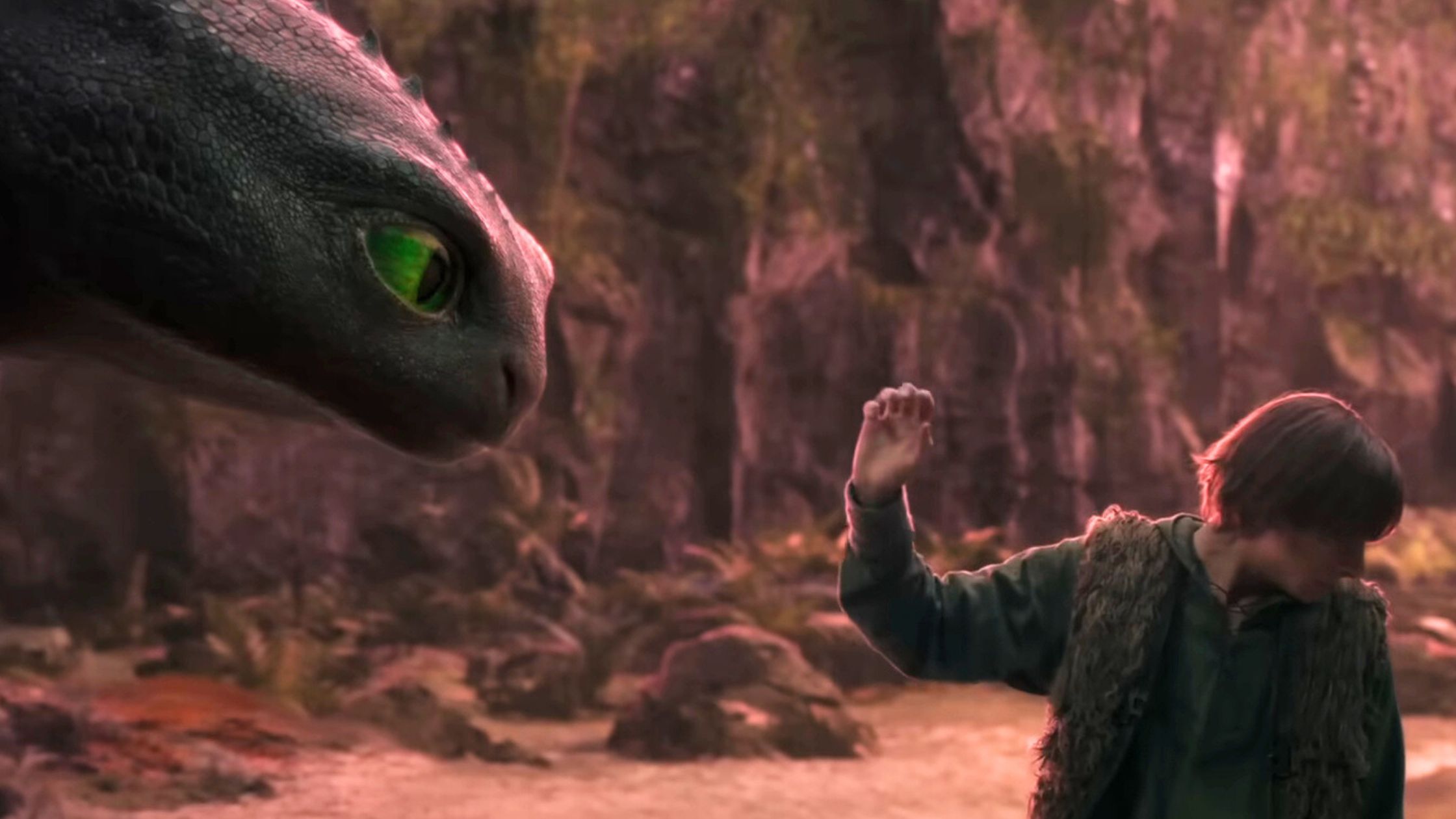
But to DreamWorks’ credit, this isn’t like Disney’s usual live-action movies. There’s no bloated backstory, no changes to the original characters, and no rewritten ending to spark online discourse. Heck, they didn’t change the design of Tootless or any of the other dragons (but the Dragon Queen’s scale could be debatable). It’s a truly faithful adaptation that it very, very identical to the original, but for some reason, it’s not that bad.
What Did The Live-Action Version Do Better?

That said, it’s not a 1:1 carbon copy. Some changes were made that improved the overall story or scene. Take Stoick’s rallying speech, for instance. In the animated version, he threathens the role of babysitting his son if vikings don’t come to their next attempt to find the Dragon’s nest. In live-action, he delivers a motivational speech, fitting the tone of a more grounded Viking epic. It’s subtle, but the shift feels more mature and appropriate given the stakes.
There was also the added addition of the kids parents, more specifically Spitelout. While in the animated version, he’s just there to win Astrid’s affection and show off his viking prowless, in the live-action version, he’s trying to win his father’s attention, which could explain why he’s constantly after Astrid or why he wants to be the best viking-in-training, or why he picks on Hiccup.
Another great improvement in the live-action version is the final battle with the Dragon Queen in the Dragon’s nest. In the animated version, the scale felt weird (but again, this was in 2010 so I can’t complain). But in the live-action version, the scale and the overall threat the Dragon Queen had and how this beast compares to the side of the kids and their dragons showcase how this face-off is life and death.
But if there is one major standout that was showcased better in the live-action version, it’s Gerald Butler’s return as Stoick.
Gerard Butler Improves Stoick in the Live-action version

Gerard Butler is the only returning cast member from the original trilogy, and he might be the best thing about the remake. After watching the animated film afterwards, I realized how much he levelled up Stoick in the 2025 adaptation. He asked himself, “What parts of his previous performance could he improve on” and delivered.
He sells the inner conflict: the leader versus the father. His emotional range, especially in the scenes after the final battle or when he’s searching for Hiccup, hits harder than in the original. While that moment was somewhat extended for a few seconds, it allowed him to show more regret, fear, and pride without ever feeling forced.
What the Animated Film Still Does Better

Of course, the 2010 film still has its strengths, one of them is Astrid. While her animated introduction leans into that classic DreamWorks slow-mo “she’s not like other girls” moment (which aged oddly in my opinion), the animated version has more spark. More attitude. The live-action Astrid, played by Nico Parker, feels emotionally grounded but lacks that bite. It’s giving The Last of Us, not dragon-slaying warrior. I only liked how she wants to be the new Viking chief, and that’s a great goal. She has potential. But making her the leader during the final battle didn’t make sense since she doesn’t know anything about dragons, except for what was taught in Berk.
Speaking of leaders, let’s talk about Hiccup. Mason Thames gives a solid performance and is more emotionally grounded. But the animated Hiccup is more expressive, awkward, and alive. Thames feels he was directed to copy the original without pushing the character further. It’s not bad; it’s just mid.
Also, there was the cut scene where Hiccup discovers dragons aren’t fireproof inside. That should’ve stayed. It gives him a critical edge in the final battle and reinforces the theme that dragons aren’t inherently evil. Without it, the climax feels more lucky than earned.
Which is Better, How To Train Your Dragon 2010 or 2025?

While the 2010 original version of How To Train Your Dragon is great and still should be highly praised, the live-action adaptation is much better. It didn’t reinvent the wheel, it took what worked, respected it, and matured it. It kept the heart of the story while sanding down some goofier edges, making it feel more grounded without losing its kid-friendly charm. Yes, there are things the animated version did better, but that’s the cost of adapting what’s great into IRL. And in the end, it did a great job.
If I had seen the original first, my review of this remake would have been slighly different. But watching the live-action first let me appreciate the small changes and emotional tweaks that subtly enhance the story.
So, if I had to trust one studio to turn a beloved animated IP into a decent live-action film? DreamWorks beats Disney, hands down.

Leave a Reply